Thinning hair is usually blamed on genes or stress, and often one of those is right. But several treatable causes look the same in the mirror, and a few blood tests separate them.
Start with the pattern
Thinning at the crown or the part suggests pattern hair loss. Heavy shedding all over, starting two to three months after an illness, surgery, childbirth or crash diet, suggests telogen effluvium. Round bald patches suggest alopecia areata. Shiny, red or scaly skin where hair was lost suggests scarring, which needs a dermatologist quickly.
The blood tests
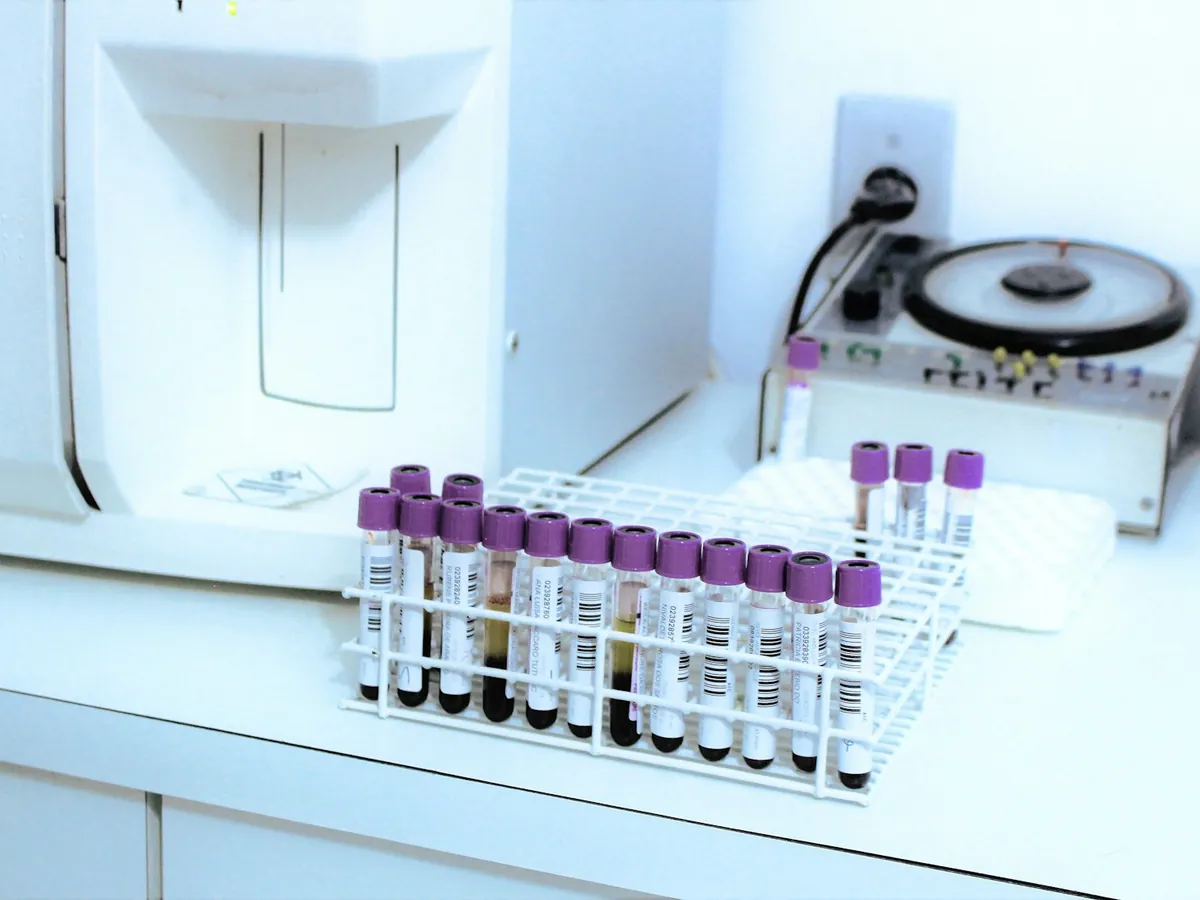
A blood count and ferritin look for anemia and low iron stores; low ferritin is linked with shedding even when hemoglobin is normal. TSH checks the thyroid. Vitamin D is often low in shedding and in alopecia areata. Zinc and B12 are worth checking when diet or digestion suggests a deficiency, and women with irregular periods, acne or excess hair growth may need hormone tests.
Biotin gets in the way
Biotin, widely taken for hair, can distort lab results, thyroid tests included. Stop it a few days before blood is drawn and tell the lab you take it.
Treatment follows the cause
Iron for low iron, thyroid treatment for thyroid disease, minoxidil or anti-androgens for pattern loss, JAK inhibitors or steroid injections for alopecia areata.
What to do with this
Note when the shedding started and what happened two to three months before. Bring that, and a list of everything you take, to the appointment.
Read the full guide: The Tests Behind Hair Loss.