Most acne needs no blood tests at all. Tests matter in two situations: when something suggests hormones are driving it, and when a treatment needs monitoring.
Signs that point to hormones
Acne that starts or flares in adulthood, sits along the jaw and chin, and comes with irregular periods, excess hair growth or thinning scalp hair suggests androgens are involved.
The hormone tests
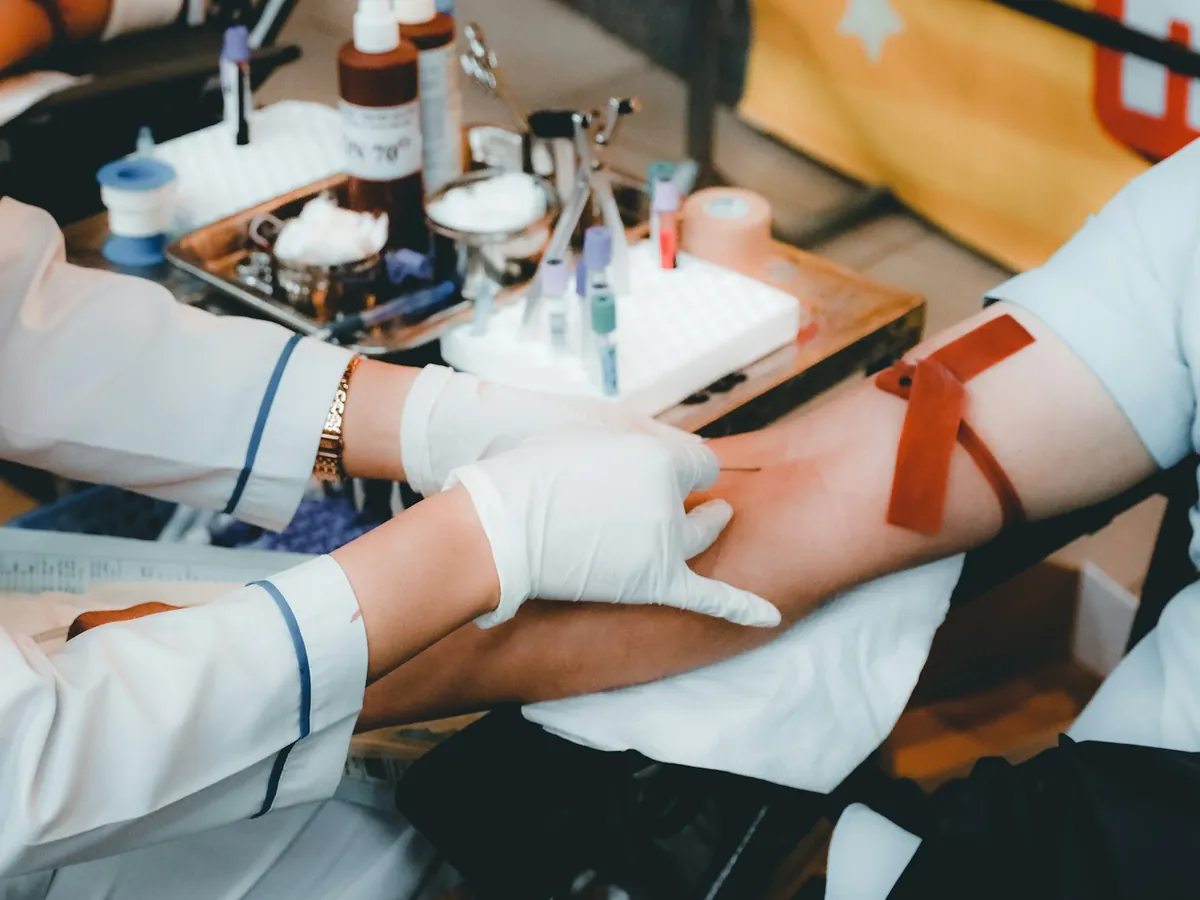
Total and free testosterone and DHEA-S measure androgens. 17-hydroxyprogesterone screens for an adrenal condition that mimics polycystic ovary syndrome, and prolactin rules out another cause of irregular cycles. If polycystic ovary syndrome is likely, HbA1c checks for the insulin resistance that often comes with it.
What a result changes
Raised androgens point toward hormonal treatment, such as spironolactone or a combined pill, rather than repeated courses of antibiotics. Polycystic ovary syndrome also needs follow-up beyond the skin.
Monitoring during isotretinoin
Isotretinoin is the most effective treatment for severe acne. It causes severe birth defects, so pregnancy tests are required before and during treatment, and it can raise triglycerides and liver enzymes, which are checked before and during the course.
Monitoring during spironolactone
Potassium checks are rarely needed in healthy young women. They are kept for people with kidney disease or medicines that raise potassium.
What to do with this
Note your cycle length, any new hair growth and when breakouts happen, and bring the notes to the appointment. They decide whether tests are needed.
Read the full guide: When Acne Needs Tests.