Between a swollen lymph node and the first treatment comes a run of tests that can feel endless. Each one answers a specific question, and knowing the question makes the wait easier to bear.
The biopsy names the disease
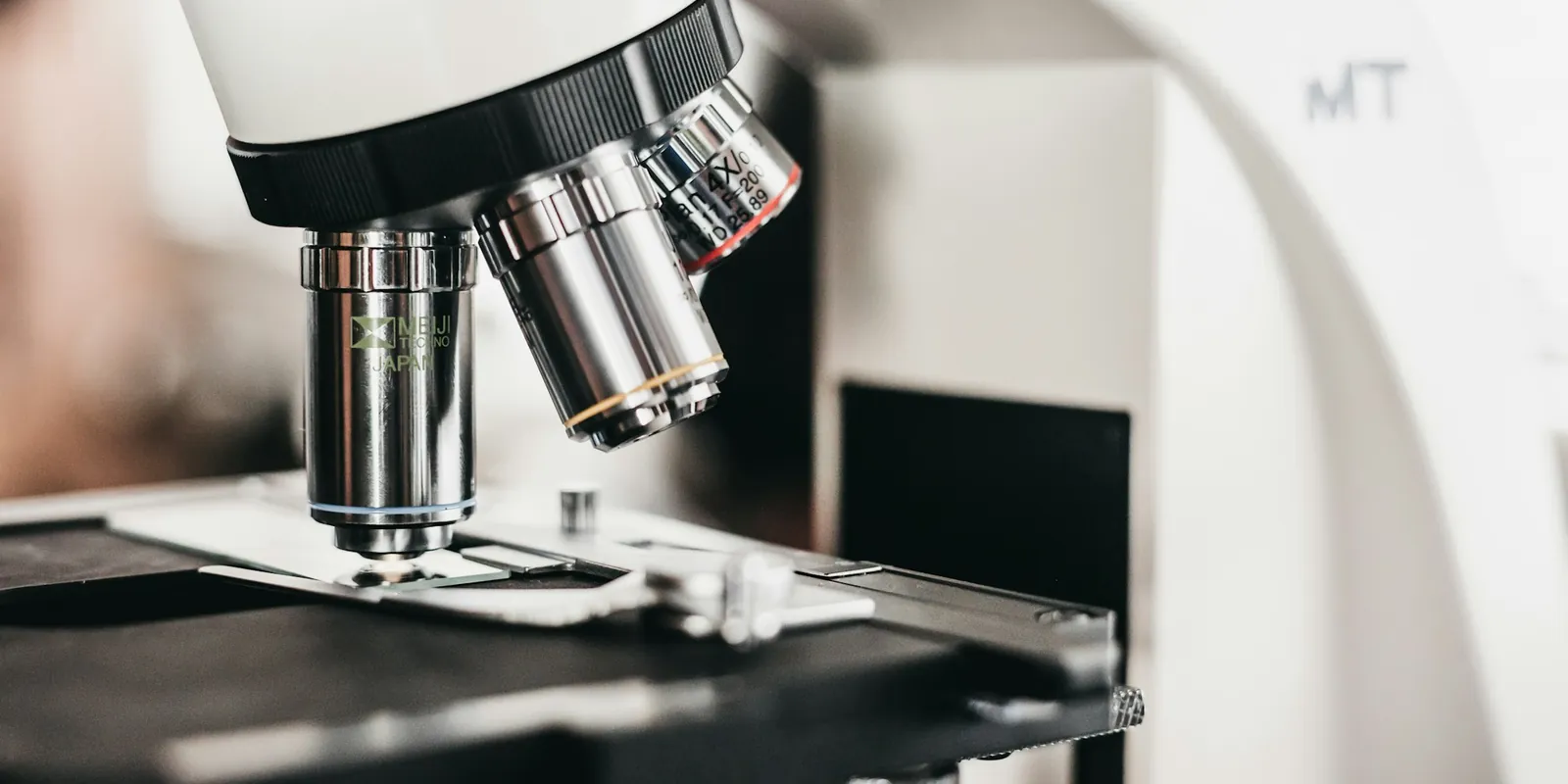
Only tissue confirms lymphoma. A core or excisional biopsy gives the pathologist enough to work with; a fine-needle sample usually does not. Stains (immunohistochemistry) and flow cytometry then identify which of the dozens of subtypes it is, and the subtype decides the treatment more than anything else.
Genetics refine it
In aggressive B-cell lymphomas, tests for rearrangements of MYC, BCL2 and BCL6 can change the regimen chosen. That is why some results arrive a week or two after the diagnosis.
Blood tests set the baseline
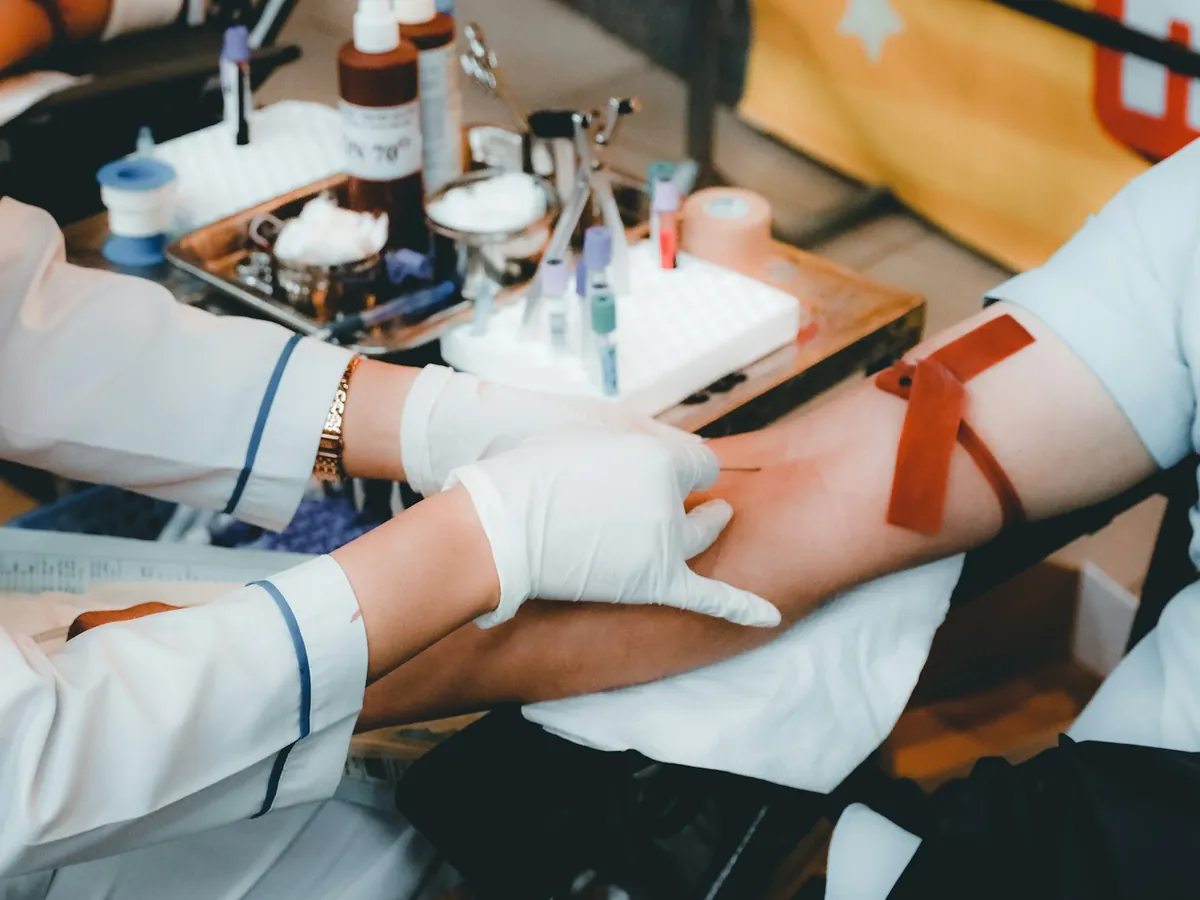
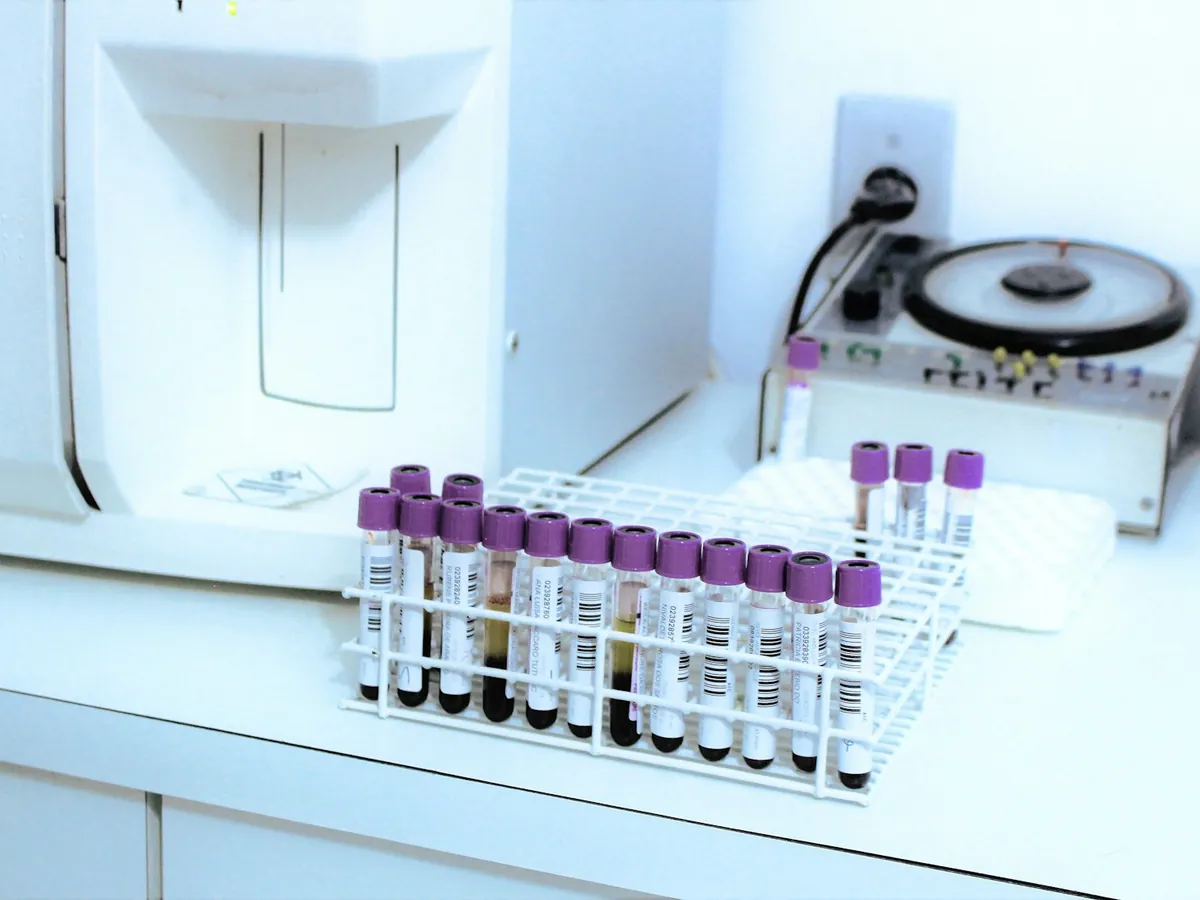
A blood count, kidney and liver tests, LDH and uric acid show how the body is coping and set safe doses. Hepatitis B testing matters more than it looks: rituximab, part of many regimens, can reactivate an old infection, and a positive result usually means a preventive antiviral.
Scans stage it
A PET-CT shows where the lymphoma is active, which sets the stage. In Hodgkin lymphoma and diffuse large B-cell lymphoma it often makes a bone marrow biopsy unnecessary.
Some drugs bring their own tests
A heart scan before doxorubicin, lung function before bleomycin, and a pregnancy test and fertility discussion before any of it.
What to do with this
Keep a list of every test, its date and its result, and ask what each one is for. If a test you expected is missing, ask whether it applies to your subtype.
Read the full guide: The Diagnostic Workup.