



Acne




Every visit. Shows whether a treatment is working after eight to twelve weeks.
Signs of excess androgens. Irregular periods, excess hair or sudden adult acne suggest a hormonal cause.
Signs of excess androgens. An adrenal androgen; a very high level needs further investigation.
Suspected polycystic ovary syndrome. Help separate polycystic ovary syndrome from other causes of irregular cycles.
Signs of excess androgens. Screens for non-classic congenital adrenal hyperplasia, which mimics polycystic ovary syndrome.
Irregular periods. Rules out raised prolactin as the cause of cycle changes.
Suspected polycystic ovary syndrome. Insulin resistance is common in the syndrome and worth finding early.
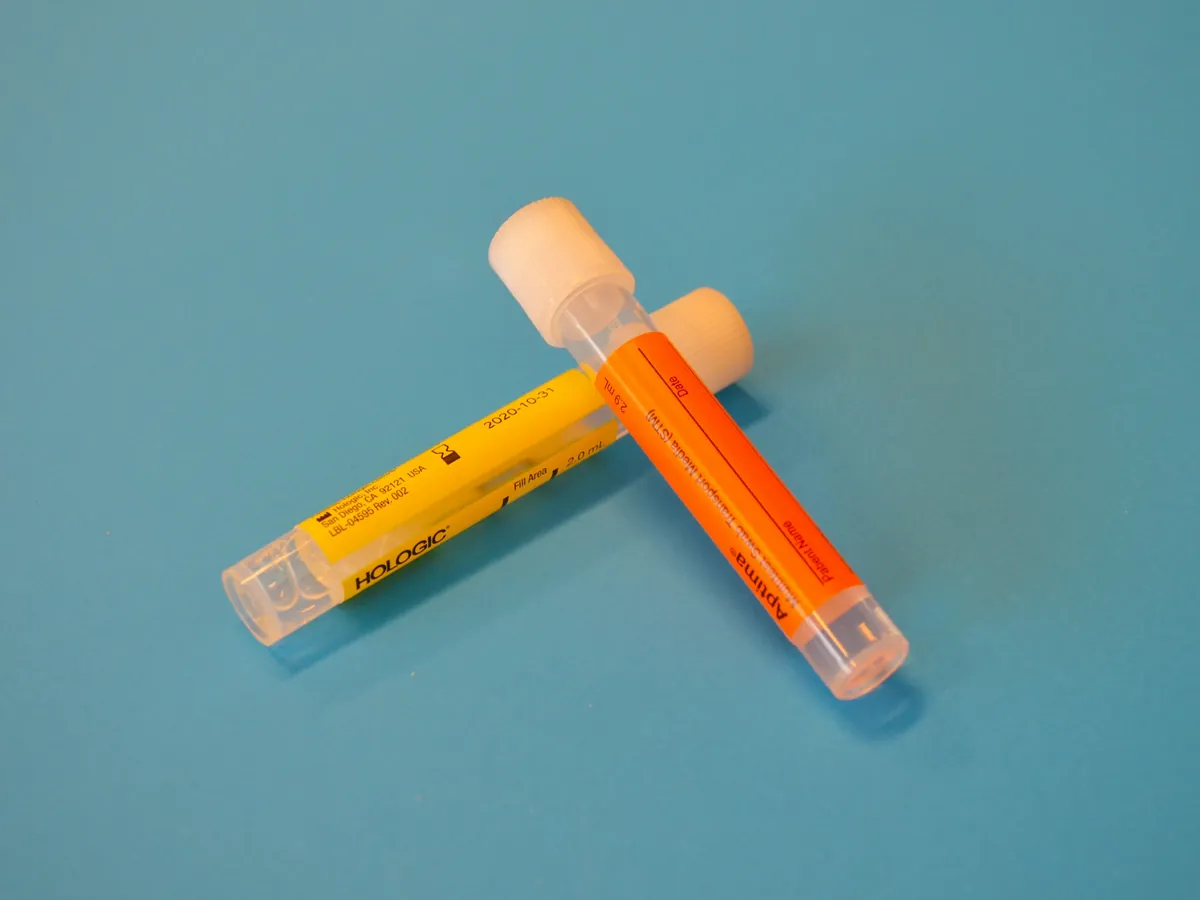
Before and during isotretinoin. Isotretinoin causes severe birth defects; testing is required before and during treatment.
Before and during isotretinoin. Isotretinoin can raise triglycerides.
Before and during isotretinoin. Checks for the occasional rise in liver enzymes.
Spironolactone, with risk factors. Rarely needed in healthy young women; checked with kidney disease or interacting drugs.
Acne that worsens on antibiotics. Finds gram-negative folliculitis, which needs different treatment.
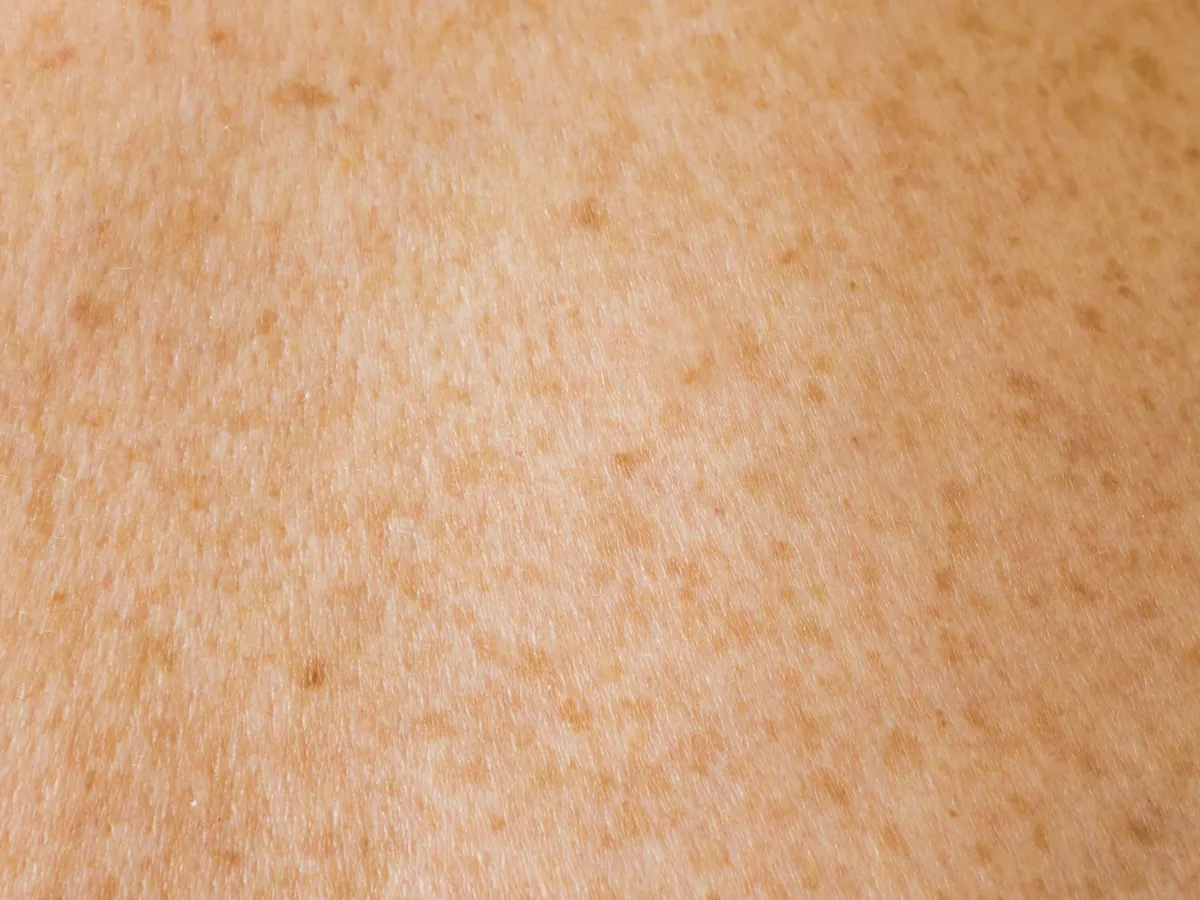
Blackheads, spots and nodules, counted the same way each week.
Cycle, hair growth and the timing of breakouts, to decide whether tests are needed.
Morning and evening steps, added one at a time so any irritation can be traced.
Ice-pick, boxcar, rolling or raised: the type decides the treatment.
The others

How tests are chosen, and how to use them · 2 guides · 76 min
Cancer care, starting with the lymph system · 6 guides · 273 min
Several causes, told apart by testing · 4 guides · 152 min
An immune disease that shows on the skin · 4 guides · 158 min
Pigment lost to an immune attack · 4 guides · 142 min




