



Hair Loss



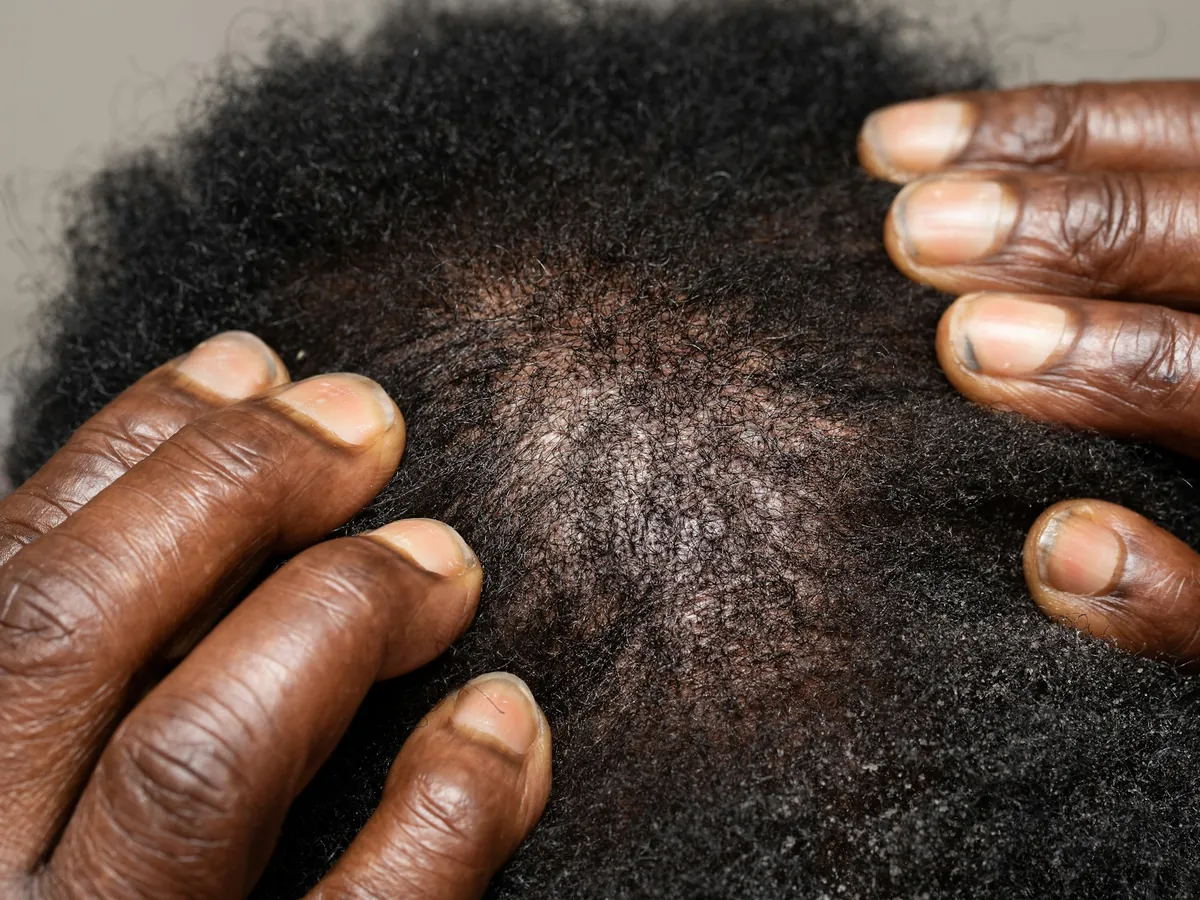

At the first visit. A magnified scalp exam that tells pattern loss, alopecia areata and scarring apart.
At the first visit. Shows whether shedding is active, and where.
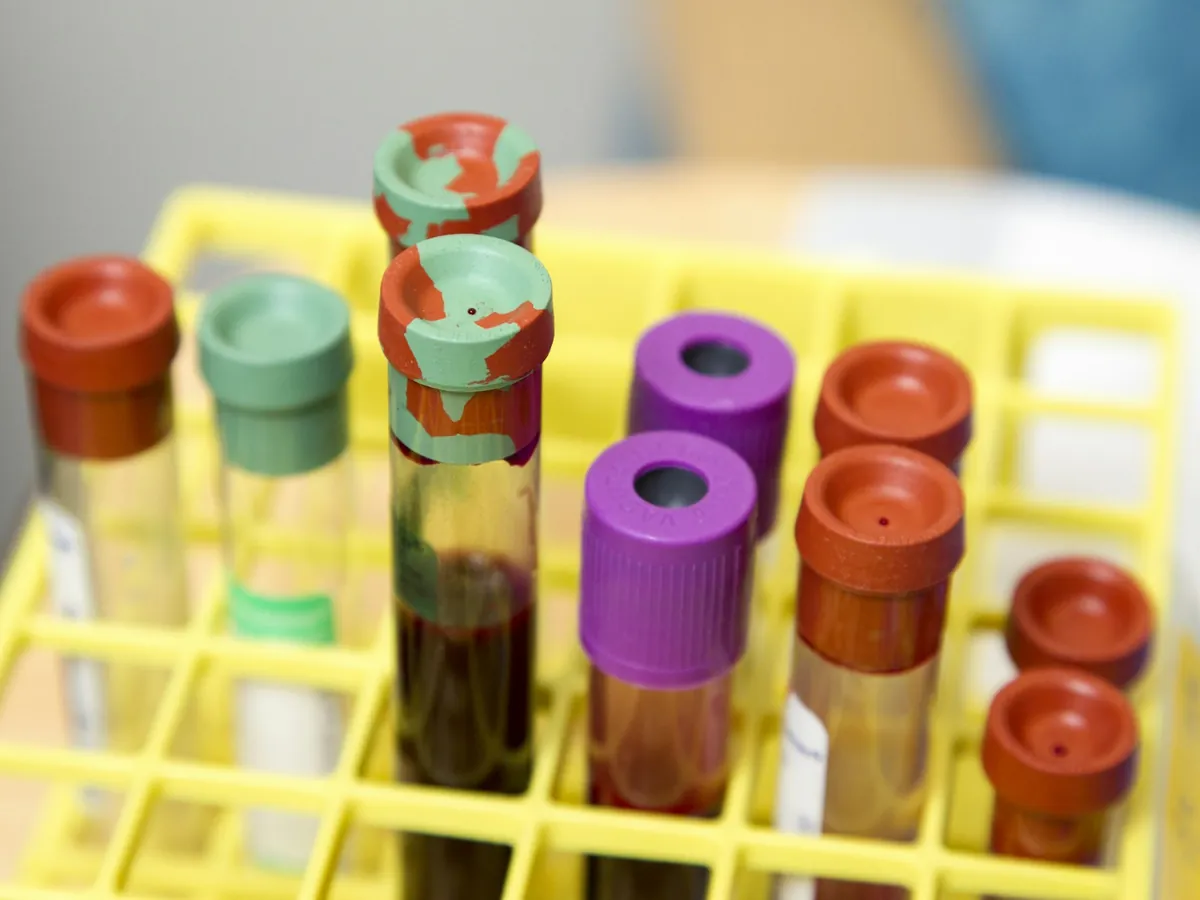
Diffuse shedding. Finds anemia, a common and treatable contributor.
Diffuse shedding. Measures iron stores. Low ferritin is linked to shedding even without anemia.
If ferritin is low or unclear. Ferritin rises with inflammation and can hide a deficiency; serum iron and transferrin saturation settle it.
Diffuse shedding or patches. An under- or overactive thyroid causes diffuse loss, and thyroid disease is linked with alopecia areata.
Shedding or alopecia areata. Low levels are common in both, and a deficiency is simple to correct.
If diet or absorption suggests a deficiency. Deficiency causes hair loss. Supplementing without one does not help.
Vegan diets or gut disease. Deficiency is more likely in both and is linked with diffuse shedding.
Women with signs of excess androgens. Irregular periods, acne or excess hair alongside thinning point to hormones.
Signs of excess androgens. An adrenal androgen; a very high level needs further investigation.
Irregular periods. A raised level disturbs other hormones and can contribute to thinning.
If lupus is suspected. Lupus can cause both scarring and non-scarring hair loss.
Patchy, moth-eaten loss. Secondary syphilis causes a patchy pattern that antibiotics cure.
Scarring, or an unclear pattern. Confirms scarring alopecia, where early treatment preserves follicles.
Scaly patches, mostly in children. Diagnoses tinea capitis, which needs antifungal tablets.
A daily count of shed hairs, so a change is measured rather than guessed.
The tests that fit your pattern of hair loss, to bring to your doctor.
When to expect shedding, stability and regrowth, so a treatment is not abandoned too early.
Same light, same angles, same day each month.
The others

How tests are chosen, and how to use them · 2 guides · 76 min
Cancer care, starting with the lymph system · 6 guides · 273 min
An immune disease that shows on the skin · 4 guides · 158 min
Oil, blocked pores, bacteria and hormones · 4 guides · 146 min
Pigment lost to an immune attack · 4 guides · 142 min




