



Vitiligo


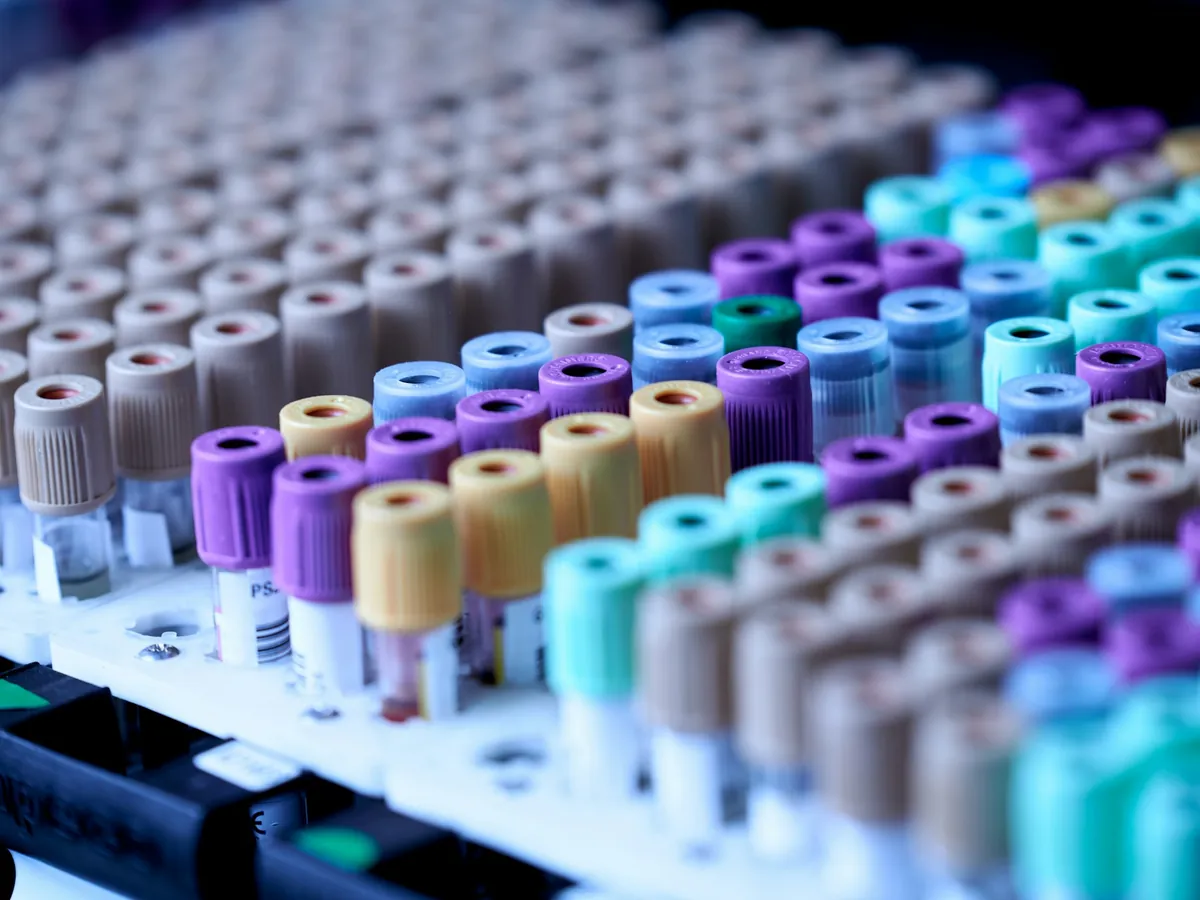
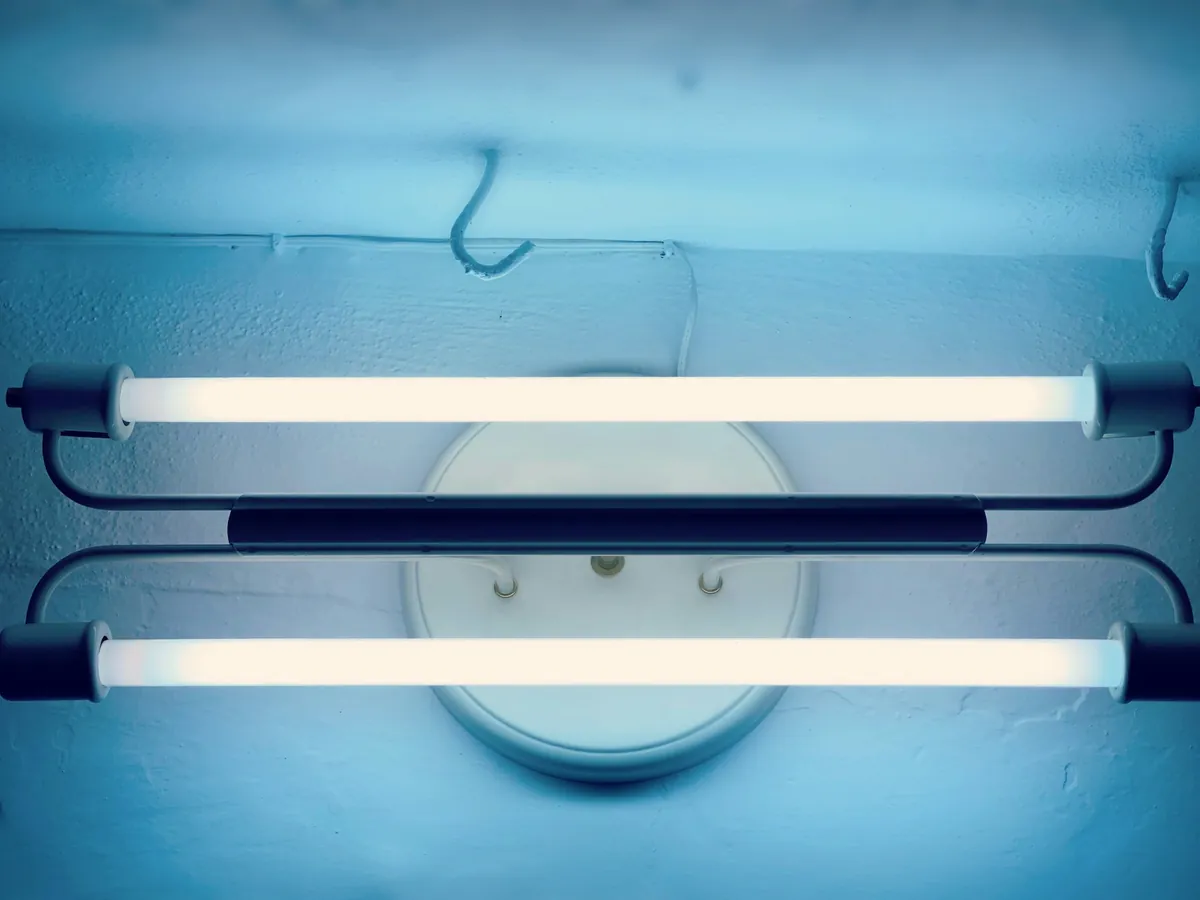


At diagnosis and follow-up. Ultraviolet light shows faint patches and how far the disease extends.
At diagnosis, then every few months. A baseline, so spread or repigmentation is measured rather than guessed.
At diagnosis, then periodically. Thyroid disease is markedly more common with vitiligo.
At diagnosis. Signal thyroid disease risk before TSH changes.
At diagnosis. A baseline, and a check for anemia.
If anemia or symptoms suggest it. Pernicious anemia, an autoimmune cause of low B12, occurs more often with vitiligo.
Symptoms of diabetes. Type 1 diabetes is among the autoimmune conditions linked to vitiligo.
With strict sun protection, or before phototherapy. Sun avoidance lowers vitamin D, and a deficiency is easy to correct.
Before phototherapy, if sun-sensitive. Screens for lupus and other conditions that light can worsen.
If the diagnosis is unclear. Separates vitiligo from other causes of pale patches.
Only with symptoms. Addison's disease is rare but linked; fatigue, weight loss and low blood pressure warrant the test.
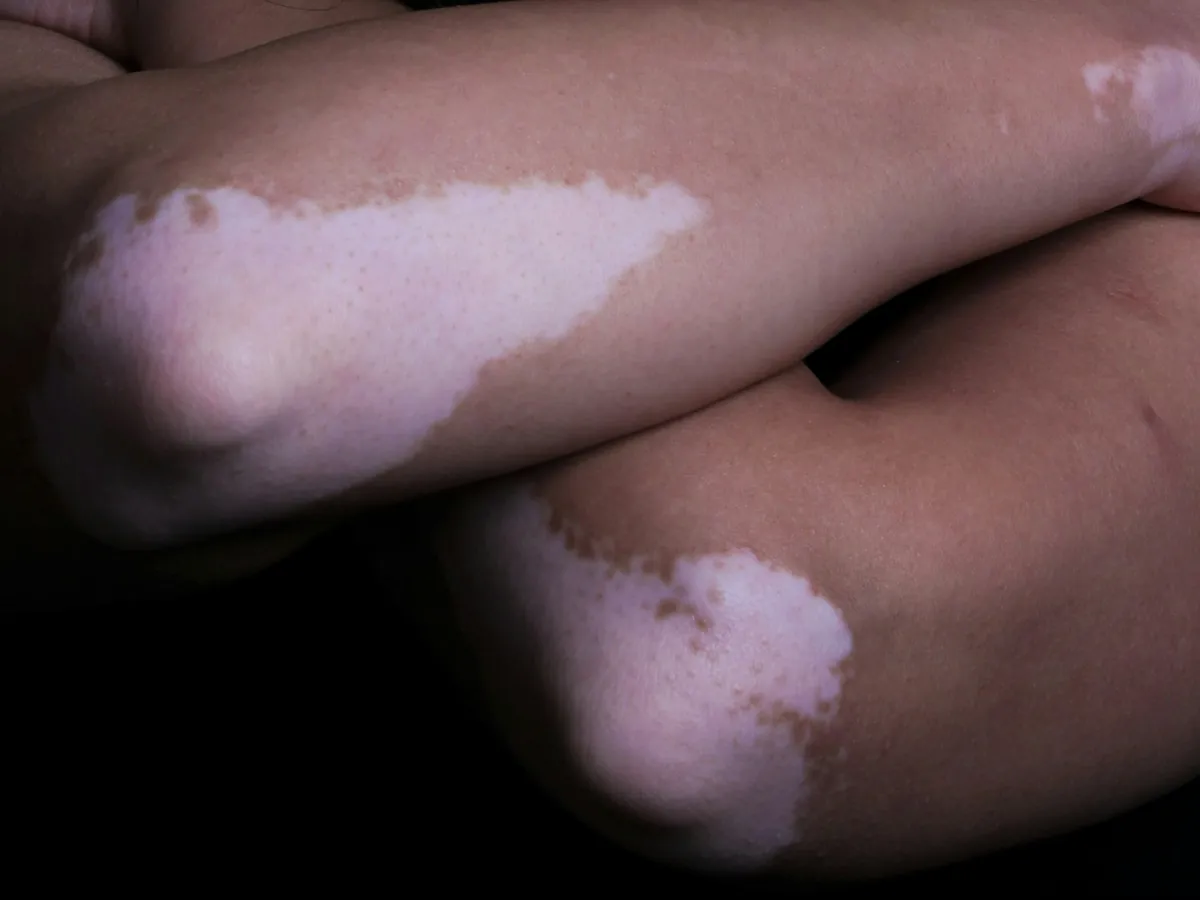
New patches, blurred edges and confetti spots, checked monthly.
Thyroid and other autoimmune symptoms to mention, with the tests that check for them.
Sessions, doses and skin reactions, kept beside the clinic's own record.
The same patches, photographed the same way every month.
The others

How tests are chosen, and how to use them · 2 guides · 76 min
Cancer care, starting with the lymph system · 6 guides · 273 min
Several causes, told apart by testing · 4 guides · 152 min
An immune disease that shows on the skin · 4 guides · 158 min
Oil, blocked pores, bacteria and hormones · 4 guides · 146 min




